

The Quietest Air Conditioners for Noosa Properties (Decibel Comparison 2026)
Your neighbour’s AC sounds like a jet engine. Yours shouldn’t.
In Noosa’s premium homes, noisy air conditioning doesn’t just become annoying; it disrupts the entire feel of the space. Whether it’s interrupting sleep in the master bedroom, competing with conversations on the alfresco deck, or humming away during a quiet evening at home, the wrong system quickly becomes impossible to ignore. The good news? Modern, quiet air conditioning systems are far better than they used to be. In fact, the quietest air conditioner models in 2026 operate as low as 19–25 decibels indoors, quieter than a whisper and barely noticeable in daily life.
But here’s what many homeowners don’t realise: achieving truly quiet air conditioning in Noosa depends on far more than the brand alone. System design, installation quality, outdoor unit placement, and even landscaping all play a major role. So, if you’re building, renovating, or upgrading your system, here’s what actually matters.
What counts as “quiet” for air conditioning?
For air conditioning, below 30 dB is considered excellent for bedrooms and living spaces, meaning that it’s quieter than a library and barely perceptible in a room. As a general guide:
- Below 30 dB = excellent for bedrooms and living spaces
- 30–40 dB = very good
- 40–50 dB = acceptable for most outdoor units
- Above 50 dB = noticeable, especially in quiet residential areas
And, as we’ve all experienced, outdoor noise matters just as much as indoor comfort in Noosa. With homes often positioned close together and outdoor entertaining being such a major part of coastal living, a poorly positioned condenser can quickly become frustrating for both homeowners and neighbours.
The quietest air conditioning systems we recommend in 2026
At TSR, we install Daikin, Panasonic, and Actron Air systems because they consistently perform well in Queensland conditions, especially in premium coastal homes where comfort and low noise levels matter.
Here’s how some of the leading systems compare:
| Brand & Model | Indoor | Outdoor | Best for |
|---|---|---|---|
| Daikin Alira X 2.5KW (Premium model) | 19 dB | 43 dB | Bedrooms, smaller rooms |
| Daikin Cora 2.5KW (Mid-range quiet alternative) | 19 dB | 43 dB | Bedrooms, smaller rooms |
| Panasonic CS-RZ25WKRW (2.5kW) | 19 dB | 43 dB | Bedrooms, smaller rooms |
| Panasonic CS-RZ35WKRW (3.5kW) | 19 dB | 44 dB | Larger bedrooms, studies |
| Panasonic CS-RZ50WKRW (5.0kW) | 28 dB | 43 dB | Open plan living |
| Actron Air Neo | 23–25 dB | Approx. 50 dB | Large ducted homes |
The above noise ratings are measured at the unit’s quiet/silent operating mode, which is how these systems run during normal day-to-day use in a well-sized installation.
The Daikin Alira X is our top recommendation for bedrooms and media rooms. At 19 dB in quiet mode, it’s genuinely inaudible during normal conversation and is among the quietest split systems available in Australia. The Daikin Cora offers the same indoor noise performance at a more accessible price point, making it a strong option for secondary bedrooms or holiday let properties where budget matters without compromising on quiet.
For homes with tighter outdoor clearances or entertaining areas close to neighbouring properties, the Panasonic RZ Series is the standout choice as its outdoor unit matches the Daikin figures at quiet mode and performs consistently in Queensland’s coastal conditions.
For larger homes, one of our most recommended options is the ducted inverter system from Actron Air – Neo. Both Actron Air and Daikin keep indoor units hidden entirely, delivering whisper-quiet airflow through discreet ceiling grilles with independent zone control across the home.
Note: Tony Stephens Refrigeration services all major brands. The systems listed above are our top recommendations for Noosa properties based on verified noise performance.

Night mode reduces noise further automatically
All of the premium inverter systems above include a night or quiet mode that automatically reduces fan speed during sleeping hours. In practice this lowers sound levels by a further 3–5 dB, taking a 19 dB indoor unit down to around 16 dB, which is effectively imperceptible. And a benefit is that it can be scheduled via timer or controlled through the unit’s app, so you can keep your home comfortably cool, no matter where you are, or what time you’ll be home.
Why installation matters more than most people realise
Even the quietest air conditioner can become noisy if it’s installed badly. We regularly see systems where:
- Outdoor units have been mounted directly against reflective walls
- Cheap brackets create vibration through the structure
- Oversized systems cycle aggressively on and off
- Units are positioned too close to bedrooms or entertaining areas
- Airflow hasn’t been designed correctly
And in premium Noosa homes, these details really matter. That’s why we approach quiet air conditioning in Noosa as part of the overall home design, not just another appliance installation. Correct system sizing, careful placement, vibration control, and airflow planning all contribute to a calmer, quieter result.
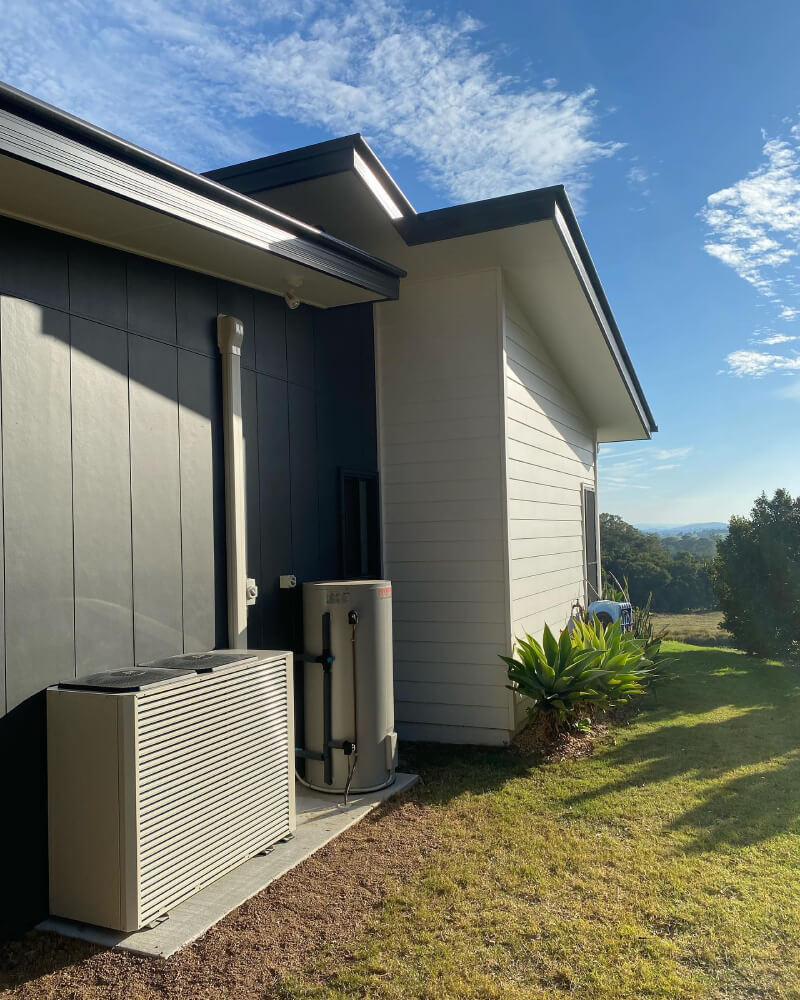
Strategic outdoor unit placement makes a huge difference
One of the easiest ways to reduce noise is proper outdoor unit placement. As a general rule:
- Keep outdoor condensers at least 3 metres from bedroom windows where possible
- Avoid placing units in narrow side passages that amplify sound
- Angle airflow away from neighbouring properties
- Avoid mounting units directly against solid masonry walls
In Noosa, where outdoor entertaining spaces are often positioned close to neighbours and open living areas, thoughtful placement becomes even more important and make a meaningful difference before you spend a dollar on screening or barriers.
Do acoustic screens actually work?
Yes, when designed properly, acoustic barriers can noticeably reduce outdoor unit noise. Depending on the materials used, a properly installed screen may reduce perceived sound by around 6–12 dB, which is a substantial difference to the human ear. Common options include:
- COLORBOND® acoustic screens
- Timber slat screening with acoustic backing
- Masonry walls
- Dense hedging and landscaping
The key is ensuring airflow isn’t restricted. Outdoor units still need adequate ventilation to operate efficiently, so acoustic screens should never completely enclose the system.
Why ducted systems are popular in Noosa homes
For larger architectural homes, ducted air conditioning is often the preferred solution. Why? Because it delivers:
- Whole-home comfort
- Minimal visible equipment
- Extremely low indoor noise levels
- Independent zoning between rooms
- Cleaner interior aesthetics
In many luxury homes across Noosa Heads, Sunshine Beach, and Peregian Beach, homeowners want cooling that simply disappears into the background. A properly designed ducted system achieves exactly that.
What about Noosa noise regulations?
Queensland noise regulations require air conditioning systems not to create unreasonable disturbance to neighbouring properties. But realistically, most issues come down to poor design and installation rather than the unit itself. In premium residential areas like Noosa, good design and good planning matter. The right system, positioned correctly from the beginning, usually avoids future complaints entirely.
How loud is a split system air conditioner?
Most standard split system air conditioners operate between 35–45 dB indoors at normal settings. Premium inverter models, such as the Daikin Alira X and Panasonic RZ Series, achieve as low as 19 dB in quiet mode, which is below the threshold most people consciously notice. Outdoor units typically range from 43–55 dB depending on the model and operating mode.
What is a good decibel level for an air conditioner?
For bedrooms and living areas, below 30 dB is considered excellent – you’ll hear it if you listen for it, but it won’t intrude on sleep or conversation. For outdoor units near boundary fences or alfresco areas, below 50 dB is the practical target for avoiding neighbour complaints and staying within Queensland noise guidelines. The quietest systems available in Australia currently achieve 19 dB indoors and 43–44 dB outdoors at quiet operating mode.
Ready to find the right system for your home?
Every Noosa property is different, so at TSR, we look at your block layout, neighbouring properties, how you use your entertaining areas, and the size of your rooms, as these affect which system and placement strategy will work best. We also consider noise performance from the very beginning, not after installation. That means selecting the right system, positioning it correctly, and designing your setup around how you actually live in your home.
Call TSR on (07) 5482 8100 or get in touch online to book a quiet air conditioning consultation today.
Please Share This
Related Posts
Air Conditioner Replacement: Cost Guide & When to Replace vs Repair
Wondering whether it’s time to replace your air conditioner, or if one more repair will get you through? It’s one…
Read More

Commercial Air Conditioning Maintenance Guide for Queensland Businesses
Let’s face it – a commercial air conditioning system works a lot harder than the one at home. Running 8…
Read More
One Mile State School Gympie
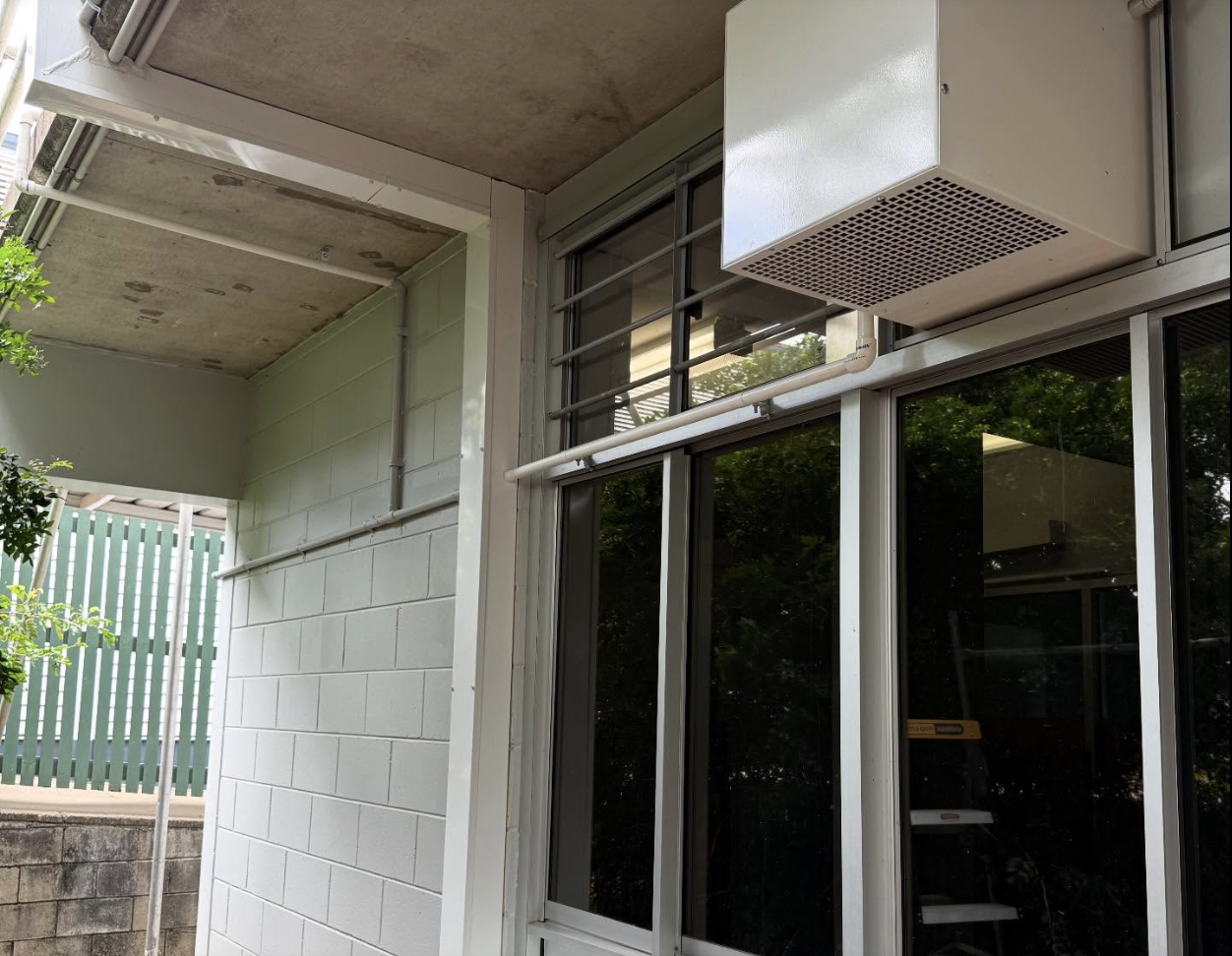
TSR recently completed an air conditioning upgrade at One Mile State School in Gympie, delivered for QBuild and installed to…
Read More
Contact us today
Ready to start your project or have questions? Contact us