

What Temperature Should You Set Your Air Conditioner in Winter?

We get it. It’s tempting to crank the dial up when it’s cold outside, but with reverse cycle air conditioning, higher isn’t faster… it just costs more. But, if you want to get the most efficiency out of your system without breaking the bank, we can help.
The best temperature to set your air conditioner in winter is between 18°C and 20°C. That’s the range recommended by the Australian Government’s own energy guidance, and it’s the sweet spot between staying warm and not blowing out your power bill.
Here’s how to get the setting right, and what to do if your system isn’t holding that temperature the way it should.
What’s the best temperature for an air conditioner in winter?
As mentioned, 18°C to 20°C is the recommended residential temperature, according to both energy.gov.au and the Australian Government’s YourHome guidance – the two most authoritative sources on household energy use in the country. Both land on the same range, and both point to the same reason: it provides comfort without waste.
If that sounds low, it’s worth remembering this isn’t a “survive the cold” number – it’s the temperature most homes settle into comfortably once you’re dressed for the season indoors (think a jumper, not a t-shirt).
Going warmer doesn’t heat the room any faster, either. Reverse cycle systems heat at a fairly steady rate regardless of the number you set, and a higher setting just means the system runs longer to get there and keeps running longer to hold it, which is where the extra cost on your bill comes from.
Why not just set it higher?
Simply put – because every extra degree adds up. The Australian Government’s guidance is clear: each degree of extra heating above the recommended range can add 5% to 10% to your energy costs. Push the thermostat from 20°C to 24°C, and you could be looking at a 20–40% jump in what that heating actually costs you to run, for a difference in comfort most people don’t even notice once they’ve been in the room a few minutes.

Reverse cycle air conditioner winter temperature: how it actually works
A reverse cycle system doesn’t generate heat the way a traditional heater does. It moves it. In winter, it extracts warmth from the outside air (yes, even cold air still holds some) and pumps it inside. That’s why reverse cycle systems are one of the most efficient ways to heat a home in Australia, and why that temperature range is realistic rather than restrictive, as the system isn’t fighting itself to get there.
What temperature should I set my ducted heating to?
The same recommended temperature range applies to ducted systems, with one extra lever: zoning. If your ducted system supports zone control, we recommend that you only heat the rooms you’re actually using rather than the whole house.
For example, a living area you’re sitting in with your family needs heating, while an empty spare room doesn’t. This is one of the simplest ways to bring your winter running costs down without touching the thermostat at all.
The ideal home temperature in winter across Australia
18–20°C is the general national guidance, but your local climate still matters. Someone in Hobart or regional Victoria is fighting a bigger gap between indoor and outdoor temperature than someone in Queensland, so the system works harder to hold the same setting.
Even in Queensland, it’s not all mild mornings. Gympie and the hinterland regularly see winter mornings drop into the single digits, and a poorly performing system will battle to keep up on those colder starts, which is usually when people notice something’s not right.
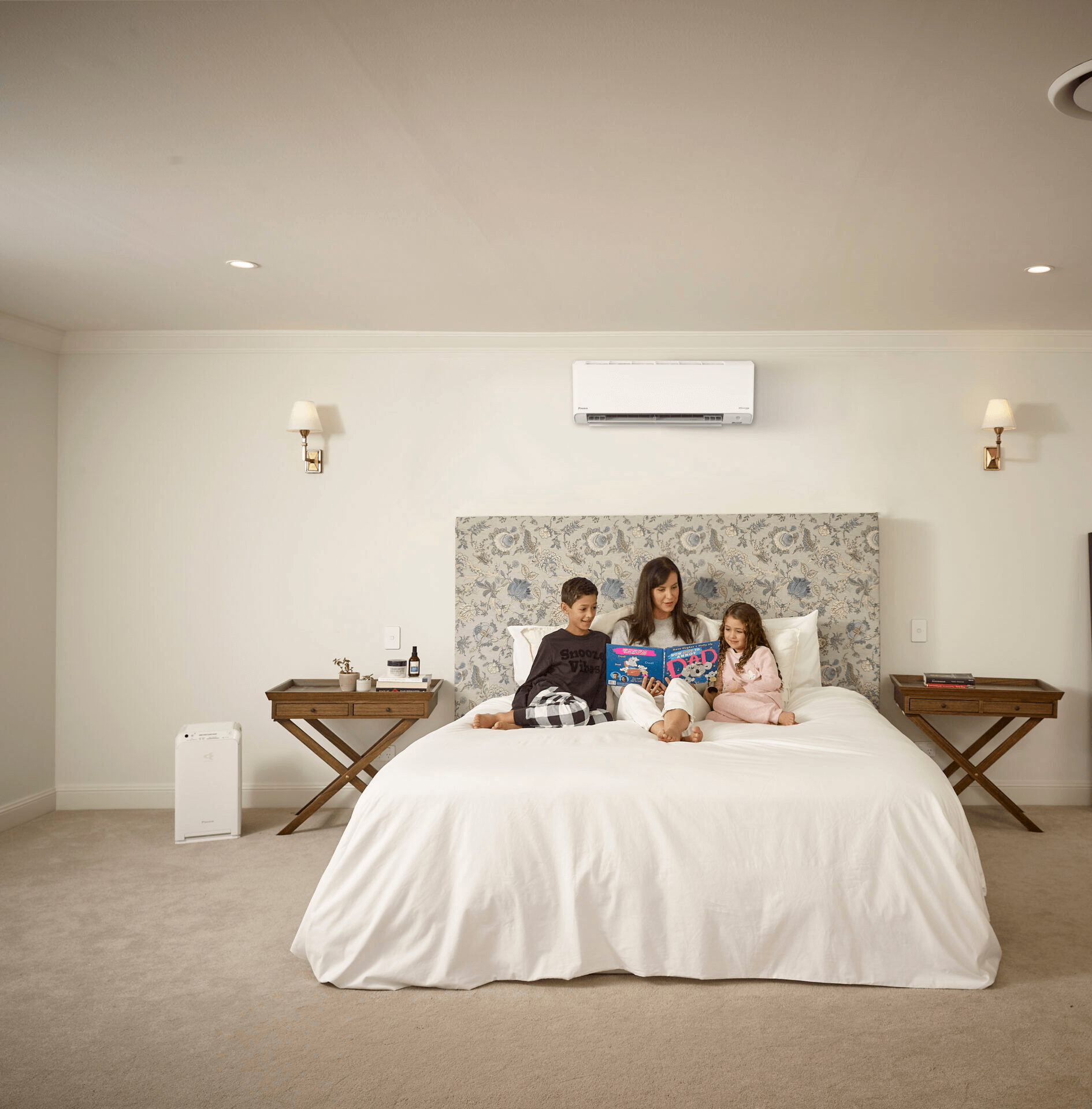
What if your system isn’t reaching (or holding) 18–20°C?
If your air conditioner is set correctly but the room still won’t warm up, or it’s blowing but not really heating, that’s not generally a thermostat problem. It is, however, usually a sign that your system needs some attention. Common culprits include a dirty filter restricting airflow, low refrigerant, or a unit that’s simply due for a proper service.
Not sure when your system was last looked at? Our guide on how often you should service your air conditioner covers what’s normal for residential systems, and our maintenance checklist is a handy reference for what a proper service should include.
Get the temperature right, and let your system do the rest
18°C to 20°C is the number to remember. It’s comfortable, efficient, and backed by the same guidance the Australian Government gives every household. If you’re already there and still not warm, the setting isn’t the problem.
Book a service with TSR and we’ll get your system running the way it should.
Please Share This
Related Posts
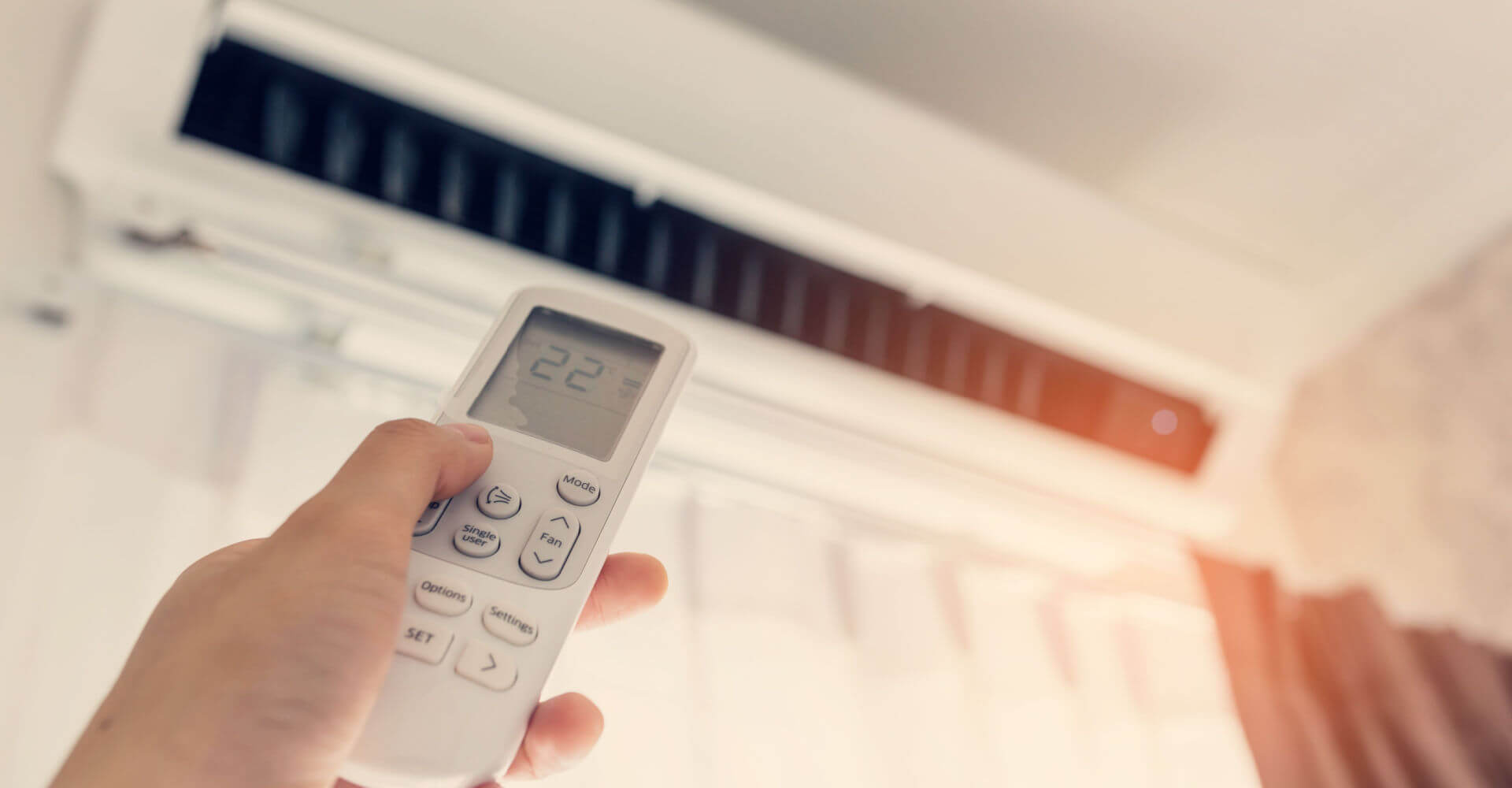
Air Conditioner Replacement: Cost Guide & When to Replace vs Repair
Wondering whether it’s time to replace your air conditioner, or if one more repair will get you through? It’s one…
Read More

Commercial Air Conditioning Maintenance Guide for Queensland Businesses
Let’s face it – a commercial air conditioning system works a lot harder than the one at home. Running 8…
Read More
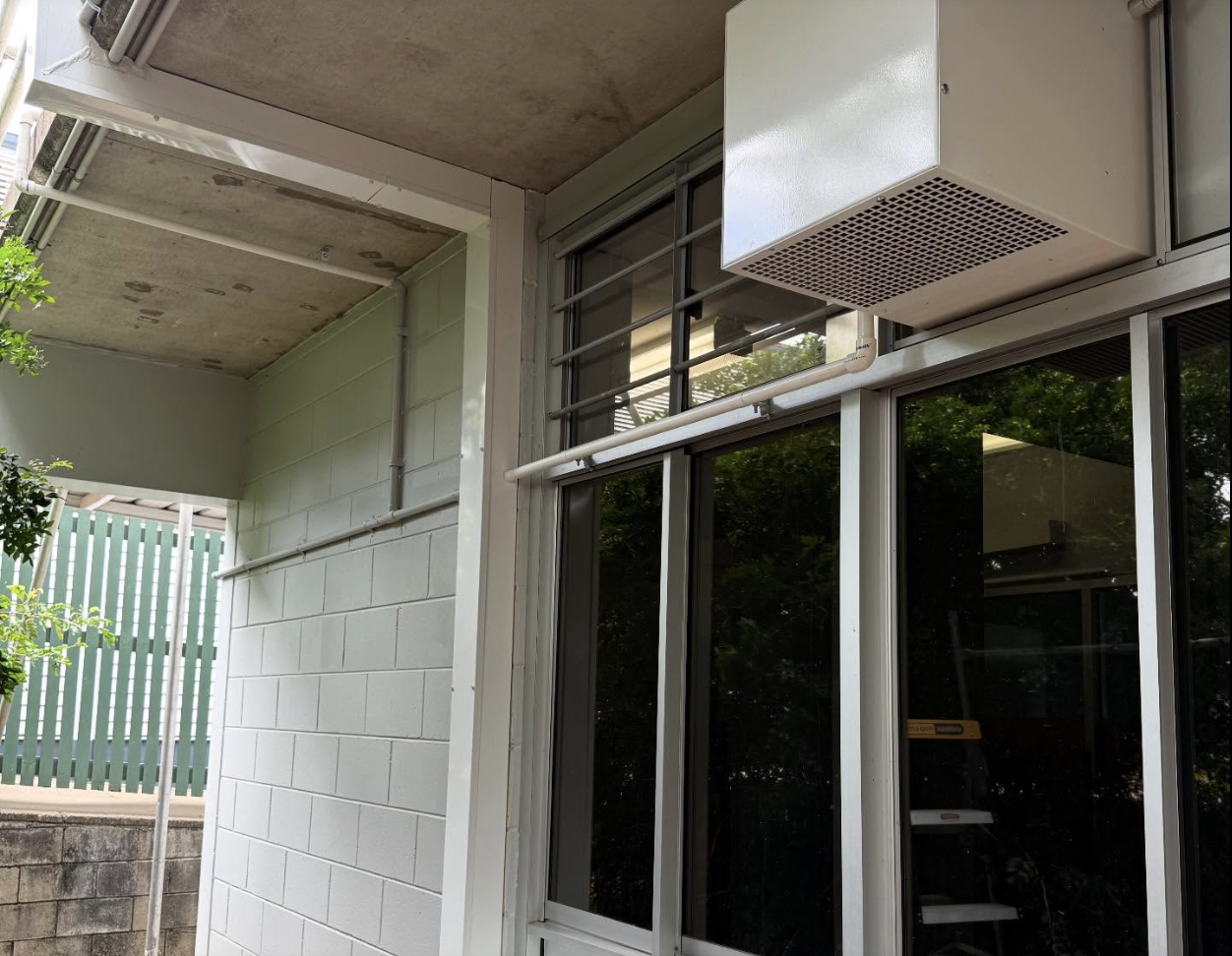
One Mile State School Gympie
TSR recently completed an air conditioning upgrade at One Mile State School in Gympie, delivered for QBuild and installed to…
Read More
Contact us today
Ready to start your project or have questions? Contact us