

Can you get a sore throat from an air con?
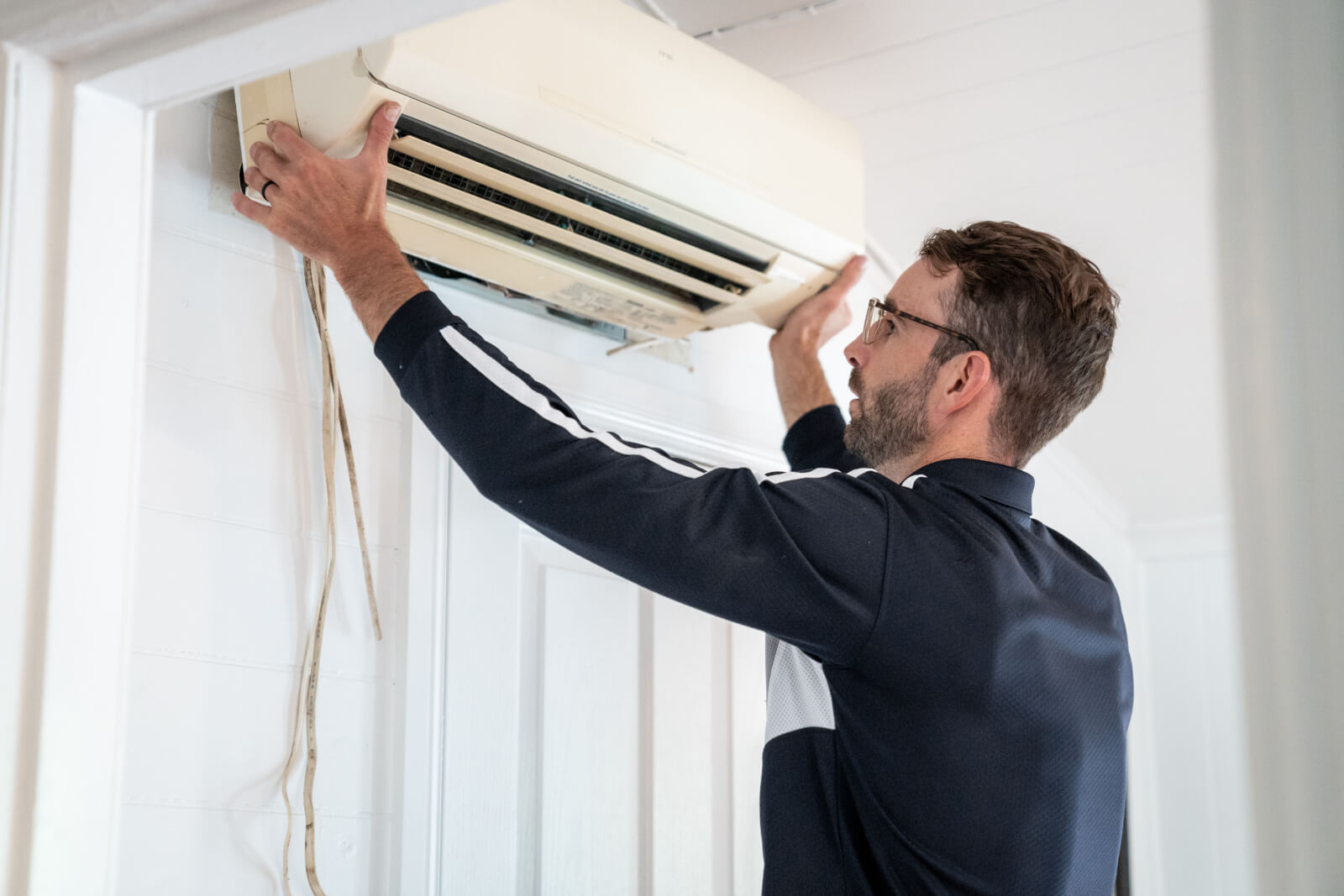
Air conditioning systems can contribute to sore throats through dry air, poor maintenance, and contaminated filters, but understanding the root causes helps you prevent this uncomfortable problem. Whether you’re dealing with a persistently scratchy throat at home or experiencing workplace discomfort, the connection between your aircon and throat irritation often comes down to air quality, humidity levels, and system cleanliness rather than the cooling process itself.
The science behind aircon-related throat irritation
Your air conditioning system doesn’t directly cause sore throats, but it creates conditions that make throat irritation more likely.
When your aircon runs, it removes moisture from the air, reducing indoor humidity levels to a safe, comfortable level. That’s usually comfortable, but if the system runs long or hard, humidity can drop low enough to dry you out. Your throat’s natural protective mechanisms rely on adequate moisture to function properly.
The mucous membranes in your throat act as your body’s first line of defence against airborne particles and pathogens. When the air becomes too dry, these membranes lose their protective moisture barrier, becoming irritated and inflamed. This leaves your throat feeling raw and scratchy, and less able to shrug off any bugs you’re already exposed to.
4 common causes of a sore throat from air con:
- Humidity levels below 30% dry out throat tissues
- Rapid temperature changes shock your respiratory system
- Stagnant air circulation allows contaminants to accumulate
- Poorly maintained filters release particles and allergens
Temperature shock also plays a role in your sore throat when you move between hot outdoor air and heavily air-conditioned indoor spaces. This sudden change forces your respiratory system to work harder, potentially causing inflammation and discomfort.
Hidden culprits in your air conditioning system
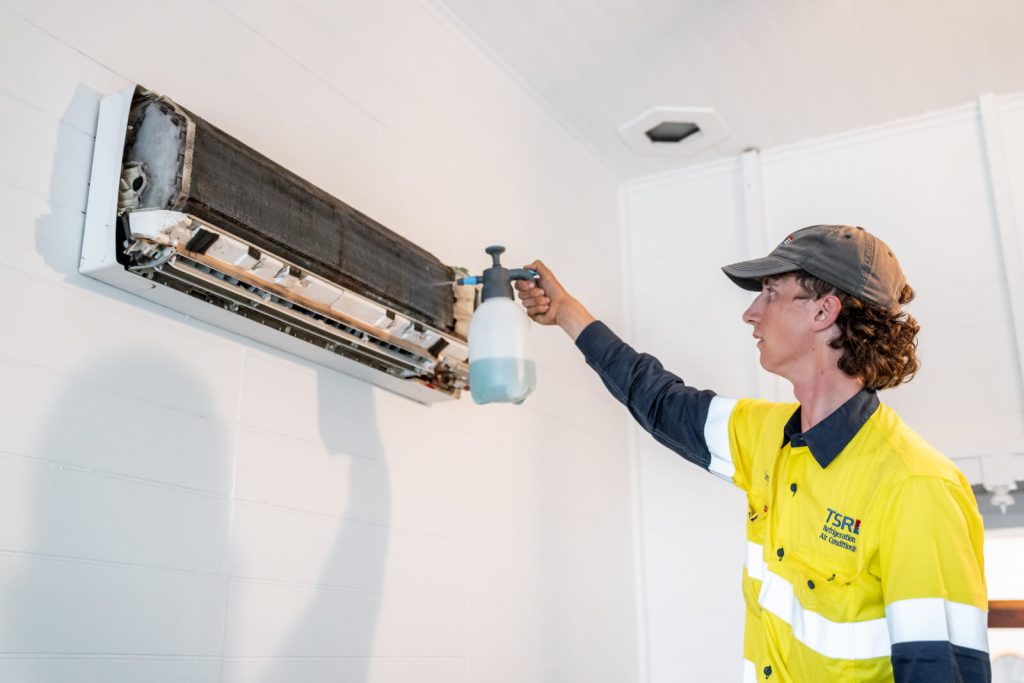
The real troublemakers lurking in your aircon system might surprise you. Dirty filters act like breeding grounds for mould, bacteria, and dust mites. When your AC runs, it circulates these contaminants throughout your space, causing throat irritation, coughing, and respiratory discomfort. Learn more about how dirty air conditioners impact your health.
Sarah from Noosa discovered this firsthand when her family kept getting sore throats. After our technician inspected their ducted system, we found the filters hadn’t been changed in over 18 months. Within a week of professional cleaning and filter replacement, the family’s throat problems disappeared completely.
Blocked AC drainage systems create another problem. When condensation can’t drain properly, it pools inside your unit, creating perfect conditions for microbial growth. This contaminated moisture then gets blown into your living or working space.
Refrigerant leaks can also cause throat irritation through chemical exposure. Modern refrigerants are designed to be safer, but any leak requires immediate professional attention.
Professional prevention strategies that work
Regular maintenance prevents most aircon-related throat problems before they start. Our 35+ years servicing Gympie homes and businesses shows proactive care eliminates most of air quality issues.
Essential maintenance schedule:
- Filter inspection and replacement every 6-8 weeks
- Professional system cleaning twice yearly
- Drainage system checks during routine services
- Ductwork cleaning every 2-3 years for ducted systems
Humidity monitoring also makes a substantial difference in comfort levels. Installing a hygrometer helps you track indoor humidity. According to the National Asthma Council Australia, most people find relative humidity between 30-60% most comfortable, with indoor humidity ideally between 30-50%.
Quality filtration systems are worth considering too – they capture airborne nasties before they circulate. HEPA filters, which meet Australian Standard AS 4260, remove 99.97% of particles larger than 0.3 microns, including most bacteria and allergens that cause throat irritation.
Smart operation tips for healthier indoor air
How you operate your air conditioning system significantly impacts your throat health. Gradual temperature adjustments reduce the shock to your respiratory system. Instead of cranking it to the coldest setting, keep it moderate. Around 22–24°C is cool enough for comfort without drying the air out.
Optimal operating practices:
- Set temperature between 22-24°C for comfort without overdrying
- Use fan-only mode to circulate air without excessive cooling
- Open windows briefly each day for fresh air circulation
- Clear furniture away from direct airflow paths
Split system positioning affects air distribution. Directing airflow toward walls or ceilings rather than directly at people reduces the drying effect on sensitive throat tissues.
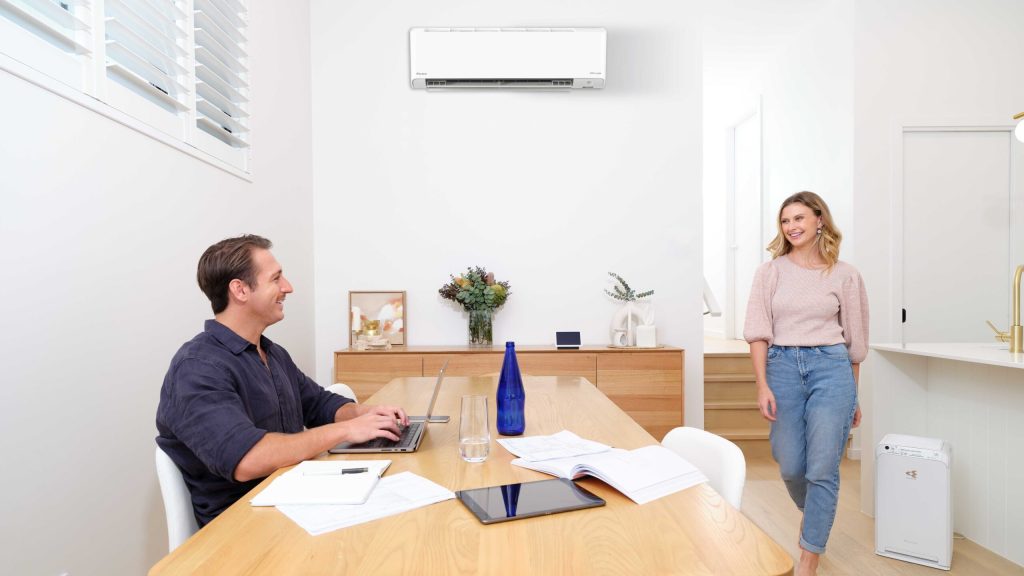
How long does a sore throat from aircon last?
If dry air is the culprit, the scratchy feeling usually eases fairly quickly, often within a day or so, once you drink some water, give the aircon a break or raise the temperature a few degrees. If it comes back every time the system runs, that points to the air itself: humidity that’s too low, or a dirty filter, coil or drain circulating dust and mould.
A sore throat that hangs around for more than a few days probably isn’t the aircon. According to healthdirect, most sore throats are caused by viral infections like colds and flu, and symptoms usually peak within 3 to 5 days and get better around day 10.
Can aircon give you tonsillitis?
Not directly. Tonsillitis is an infection caused by viruses or bacteria, not by cold or dry air. What dry air can do is irritate your throat and dry out its protective lining, which can make things more uncomfortable if you’re already coming down with something. A dirty system can also spread dust, mould and allergens that aggravate your symptoms.
Sore throat after sleeping with the aircon on?
This is one of the most common complaints we hear. Overnight you’re breathing conditioned air for hours, often with the unit blowing straight at the bed. To wake up feeling better:
- Set the bedroom to the upper end of 22-24°C
- Use the sleep or timer function so the system eases off overnight
- Angle the louvres away from the bed
- Keep a glass of water by the bed, or run a humidifier
- If it happens most nights, get the system checked. A professional aircon clean removes the built-up dust and mould that can irritate your throat.
Get expert air conditioning health solutions
Persistent throat problems despite following prevention strategies are a sign of deeper issues that are best checked by a professional. If you experience any of these things when using your AC, get in touch with your local air con business:
- Strange smells
- Visible moisture or mould around vents
- Increased allergy symptoms
- System cycling on and off frequently
Don’t let aircon-related throat irritation affect your comfort and health. Our TSR team combines 35+ years of local experience with modern diagnostic tools to sort out air quality problems fast.
Contact our experienced technicians for a comprehensive system health check, or request a quote for professional maintenance that keeps your air clean and your throat comfortable.
Please Share This
Related Posts
Air Conditioner Replacement: Cost Guide & When to Replace vs Repair
Wondering whether it’s time to replace your air conditioner, or if one more repair will get you through? It’s one…
Read More

Commercial Air Conditioning Maintenance Guide for Queensland Businesses
Let’s face it – a commercial air conditioning system works a lot harder than the one at home. Running 8…
Read More
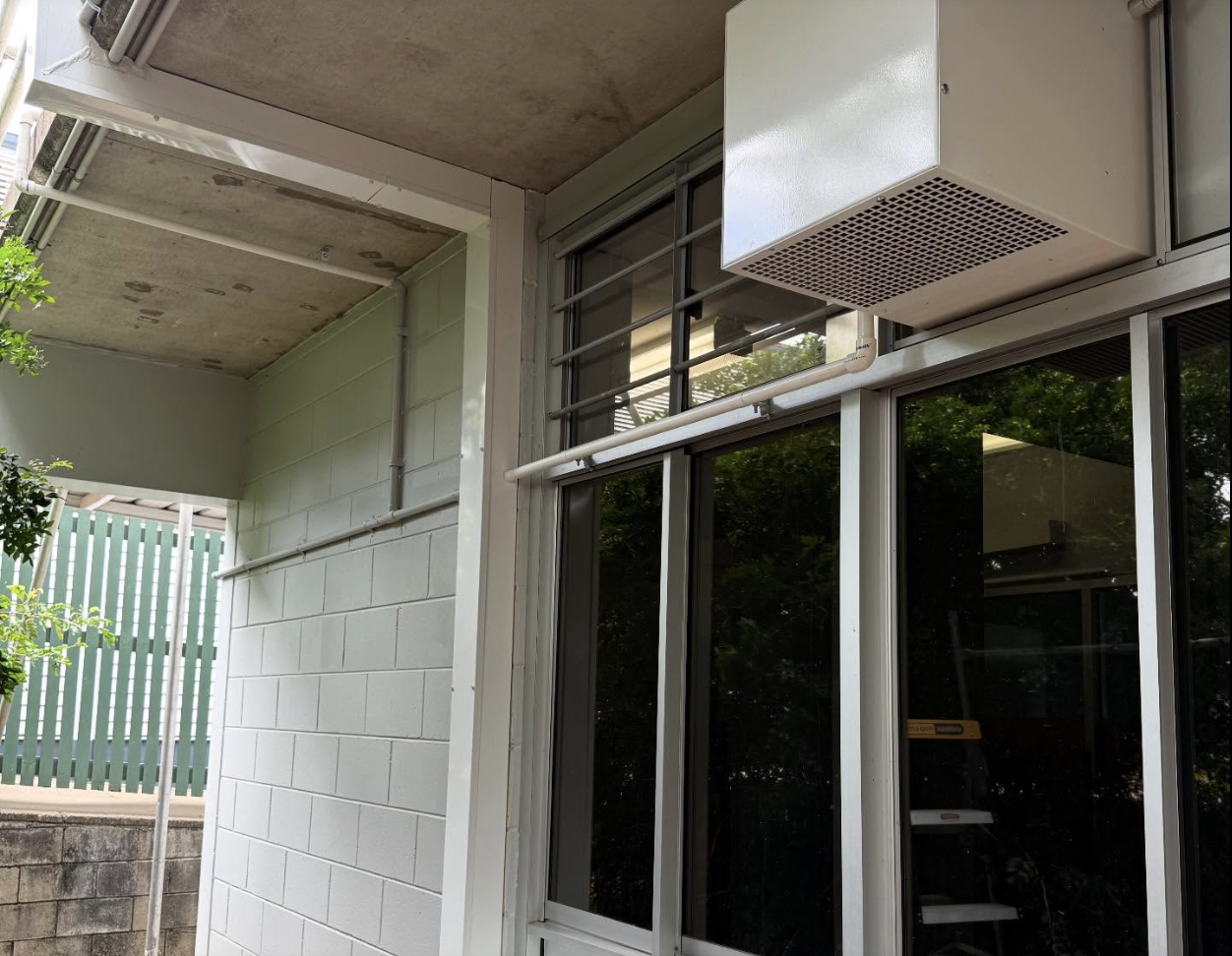
One Mile State School Gympie
TSR recently completed an air conditioning upgrade at One Mile State School in Gympie, delivered for QBuild and installed to…
Read More
Contact us today
Ready to start your project or have questions? Contact us