

Top Reasons Your Air Con Isn’t Blowing Cold Air and How to Fix It
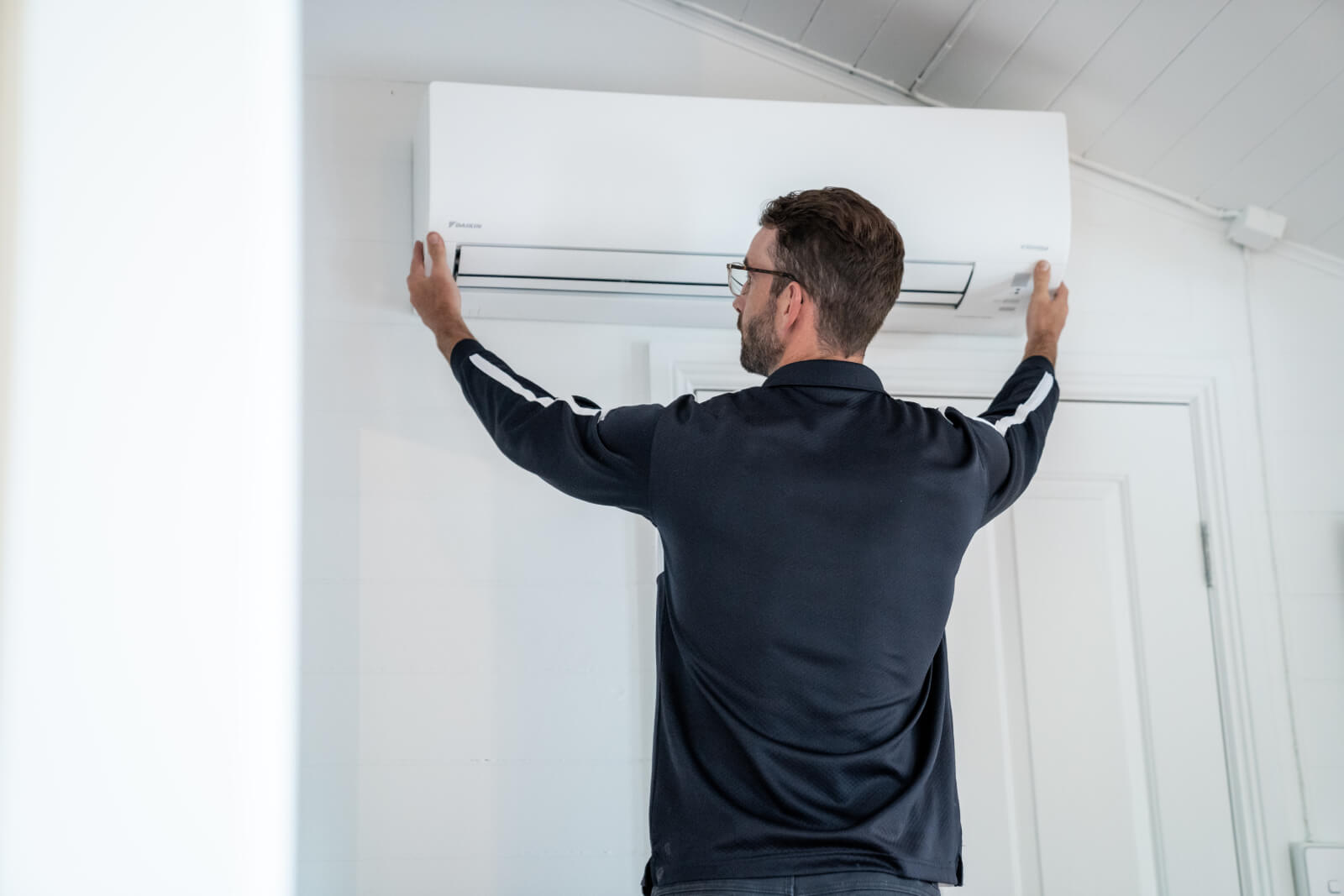
It’s a stinking hot 40 degree day in Gympie and your air conditioner is running non-stop but your house still feels warm. It’s easy to assume something is broken, however in many cases, your system is still working, it’s just struggling against the heat, humidity, and local conditions that’s pushing your air conditioner to its limits.
Below are the most common reasons that your AC cooling performance may be dropping in your Gympie home, and what you can do to improve it.
1. Dirty or Restricted Air Filters
Your air cons air filters play a major role in how effectively your system cools the home. When they’re clogged with dust, airflow drops and the system can’t circulate enough cool air. In Gympie, filters often block up faster due to dry weather, dust, and nearby vegetation. Even light buildup can noticeably reduce cooling performance during peak heat.
How to fix it: Remove the filter, rinse or vacuum to remove dust, let it dry completely, then reinstall. Regular cleaning keeps airflow strong and improves how cold the air feels. For a deeper clean of your entire system, consider booking our professional air conditioner cleaning service.
2. Reduced Airflow Inside the Home
Cooling relies on steady airflow through your vents and rooms. When airflow is restricted, cooled air can’t move efficiently, even if the system itself is operating normally.
Closed vents, blocked returns, or furniture positioned too close to outlets can all contribute to uneven cooling. This will often show up as certain rooms in your home staying warmer than others.
How to fix it: Make sure your vents are open, the returns are clear, and furniture isn’t blocking the airflow. Even small adjustments can noticeably improve your cooling.
3. Thermostat Placement or Settings
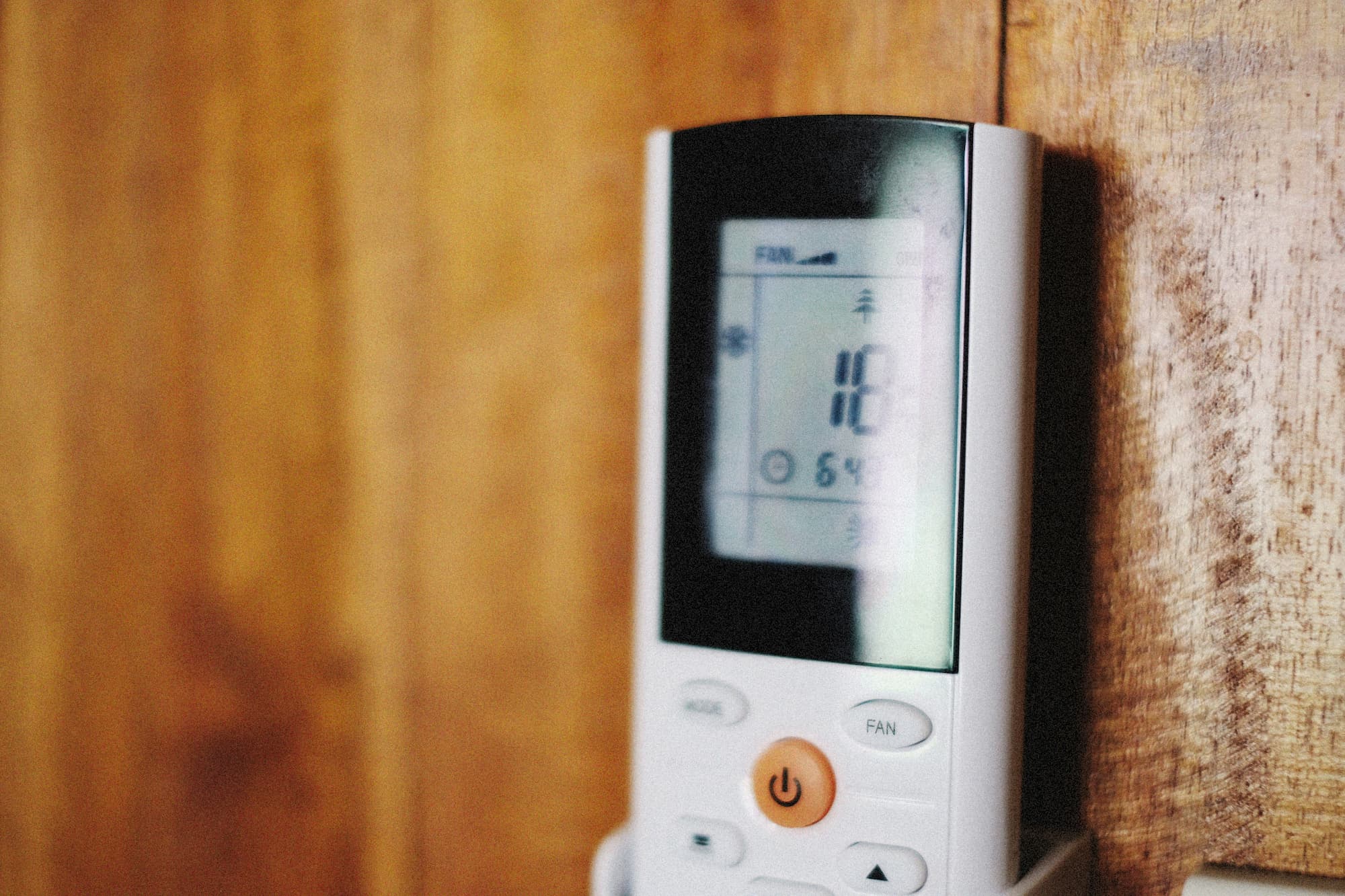
Thermostats measure air temperature where they’re installed, not throughout the entire house. If the thermostat is exposed to heat from sunlight, kitchens, or electronics, it may misread the actual indoor temperature. Incorrect settings can also limit performance, particularly if the system is cycling too frequently or set beyond realistic cooling limits during heatwaves.
How to fix it: Check that your thermostat is set to “cool,” the temperature is below room temp, and batteries are fresh. Consider moving your thermostat away from heat sources if readings seem off.
4. Outdoor Unit Heat Stress
Your outdoor unit needs to release heat to cool the air inside. When it’s exposed to direct sun, poor airflow, or surrounding debris, this process actually becomes less effective. During our Gympie summers, outdoor units can be pushed hard by high ambient temperatures. Even partial obstruction or heat buildup around your unit can reduce cooling output.
How to fix it: Ensure there’s a 30cm clearance on all sides, remove any leaves or debris, and gently hose off dirt (low pressure only). Proper airflow allows the system to cool efficiently.
5. System Size and Home Layout
Air conditioners are sized based on room volume, insulation, and layout. If your system is undersized, or your home has been renovated since installation, your AC’s cooling performance may fall short in extreme conditions. High ceilings, open-plan layouts, or added rooms all increase the demand on your cooling. The system may run continuously without being able to reach the set temperature.
How to fix it: Evaluate whether the current system meets your home’s layout and size. Minor improvements, like closing unused rooms or adding fans, can help air circulate better.
For more tips, check out our guide on how to keep your house cool in summer.
6. Age and General Wear
As air conditioners age, components naturally lose efficiency. Fans, motors, and internal parts wear down gradually, reducing overall performance over time. Older systems often struggle more during prolonged heatwaves, even if they’re still technically operational. Reduced efficiency is usually most noticeable on the hottest days – which, as we all know, is when you need them the most.
How to fix it: Schedule regular servicing to keep your older system performing well. Small things like cleaning, lubrication, and part checks can make a noticeable difference.
Thinking about service and maintenance for your AC? Learn more about how we can help, here.
7. Why Extreme Heat Makes Cooling Feel Worse
During extended Gympie heatwaves, even a well-maintained air conditioner has to work harder to maintain comfortable indoor temperatures. When outside temperatures push past 38-40°C, systems often run continuously just to hold the set temperature rather than actively cool your home further. This can make the air feel less cold, even when your unit is operating correctly.
Homes with poor insulation, sun-exposed windows, or heat retained in ceilings and walls place extra strain on cooling systems during peak heat.
How to fix it: Reduce heat entering the home where possible by closing blinds, using reflective film, or adding fans to circulate air. Combined with regular filter cleaning, this will help your AC cope better with extreme temperatures.
When Your AC Has Completely Stopped Working
If your air conditioner isn’t just struggling but has stopped working entirely (no airflow, no sound, or it’s completely dead), you may be dealing with a more serious issue. Our troubleshooting guide for air conditioners that won’t turn on covers emergency checks you can do right now and when to call for immediate help.
When to Book a Professional Service
At TSR, we’ve been servicing Gympie and the Wide Bay region for over 35 years. We understand how local heat, dust, and humidity affect cooling systems, and how to optimise performance for these conditions. So, if your air conditioner is running constantly, struggling to cool, or performing worse each summer, a professional service with us can identify whether the issue is airflow, efficiency, heat load, or system wear.
Book a service today to improve your comfort, reduce running costs, and help your system cope better when the heat hits hardest this Summer.
Please Share This
Related Posts
Cooling Maryborough’s Queenslander Homes Without Ruining Their Character
We get it, your beautiful 1920s Queenslander with its soaring ceilings becomes an oven every summer. You want modern comfort,…
Read More

How to Stop Salt Air Destroying Your Hervey Bay Air Conditioner
Living near the beach in Hervey Bay has its perks. You get to experience beautiful sea breezes, cooler evenings and…
Read More
Has Your Air Con Stopped Working In Peak Heat? Here’s What To Do
When your air con stops working during a Gympie heatwave, it can quickly become unbearable. While it’s tempting to panic,…
Read More
Contact us today
Ready to start your project or have questions? Contact us