

Can Salt Air Damage Air Conditioners? Why Coastal Air Conditioners Need Different Care

If you live near the coast, you’ve probably seen what salt air can do to cars, fences, and outdoor furniture. Your air conditioner is no different. So, the short answer is yes, salt air can damage air conditioners, often much faster than you expect.
Is salt air corrosive to air conditioners?
Salt air is highly corrosive, especially to the outdoor unit of an air conditioner. Salt particles carried in coastal air settle on metal surfaces and attract moisture. This can cause corrosion up to 10 times faster than inland areas.
In coastal areas, corrosion can begin within just a few years if a system isn’t protected properly. Properties within 500 metres of the ocean face the highest risk, though salt air can travel inland depending on wind conditions.
What parts of an air conditioner are affected first?
Salt air corrosion usually targets the most exposed components, including:
- Condenser coils, often the first components to corrode
- Aluminium fins that deteriorate and restrict airflow
- Electrical connections that can fail or short circuit
- Fan motors, where salt damages bearings and internal parts
- Cabinets and mounting brackets that lose strength over time
Once corrosion sets in, efficiency drops and breakdowns become more likely.

Signs your air conditioner is being damaged by salt air
In coastal areas, a unit that “just looks dirty” can already have corrosion eating away at coils or electrical connections underneath.
Common warning signs include:
Visible corrosion
- White, green, or brown residue on metal parts
- Pitting or rough patches on coils and fins
- Rust on the cabinet or mounting brackets
Performance issues
- Reduced cooling performance
- Higher power bills without increased usage
- Longer run times to reach set temperature
Unusual sounds or smells
- Grinding, squealing, or clicking from the outdoor unit
- Musty or metallic smells when running
If these issues sound familiar, it’s worth having your system checked. Check out our guide on the common signs your air conditioner needs replacing to understand when repair may no longer be cost effective.
How to protect an AC unit from salt air
Here are our top tips to protect your air conditioner from that sea air:
Choose corrosion-resistant equipment
When installing a new system, look for coastal or marine-rated units with protective coil coatings, sealed electrical connections, and corrosion-resistant cabinets.
Position the unit carefully
Install the outdoor unit away from prevailing ocean winds where possible. Overhead protection helps, as long as airflow isn’t restricted. Units should also be elevated to reduce moisture exposure.
Rinse regularly with fresh water
Salt builds up quickly. A simple monthly rinse with fresh water is one of the easiest ways locals can slow salt corrosion, and it’s something many coastal homeowners don’t realise makes a real difference. Avoid pressure washers or harsh chemicals though, which can damage fins and components.
Increase professional servicing
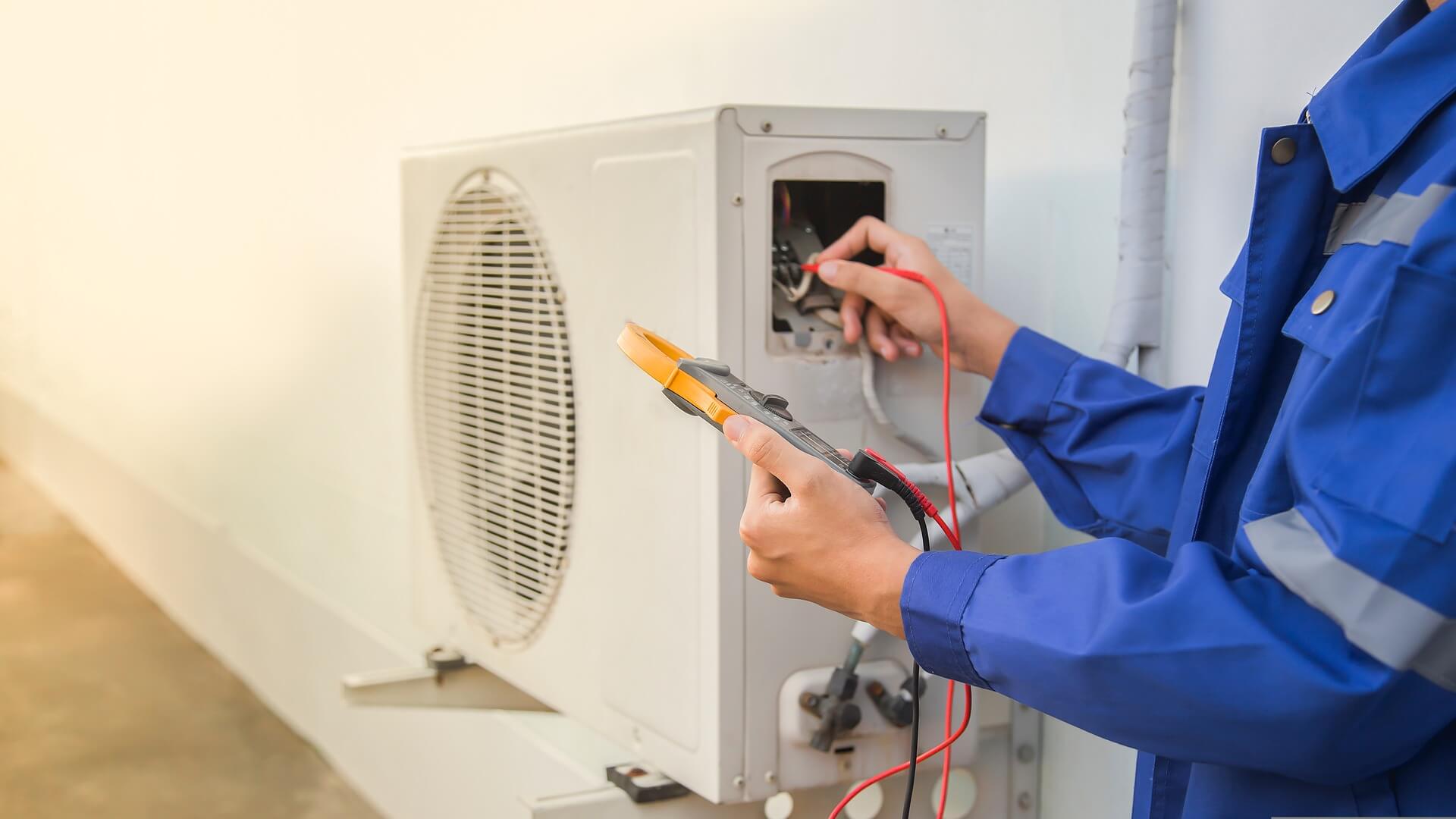
Coastal systems need more frequent maintenance than inland units. In coastal areas, professional servicing should include coil cleaning, corrosion checks, electrical inspections, drainage checks, and assessment of protective coatings, not just a basic clean. A six-monthly service schedule helps remove salt buildup and catch early air conditioner corrosion.
Learn more about TSR’s air conditioning service and maintenance options here.
Protective coatings and anodes
Anti-corrosion coatings create a barrier between salt air and metal components and usually need reapplying every 2–3 years. In some cases, sacrificial anodes can also help protect key parts.
Coastal vs inland air conditioner lifespan
Inland air conditioners typically last between 12-15 years on average. Coastal units without protection usually last 5-8 years, while coastal units with proper care can last between 10-12 years.
Given the cost of replacing a split system, protecting your air conditioner from salt air can save thousands over time.
Common coastal air conditioning mistakes
Common mistakes include assuming all outdoor units are suitable for coastal use, sticking to annual servicing, using pressure washers to clean salt buildup, or ignoring early corrosion. Fully covering outdoor units can also trap moisture and make corrosion worse.
To repair or replace?
Replacement may be the better option if your system is over eight years old, heavily corroded, or experiencing repeated failures. Maintenance is usually worthwhile if the system is newer, corrosion is only surface-level, and performance remains strong.
Modern marine-grade air conditioners can perform almost as well as inland systems, but only with the right care from day one.
Professional coastal air conditioning care
TSR understands the challenges coastal Queensland conditions create. We regularly see salt corrosion issues in homes and businesses across Gympie, Hervey Bay, and the Fraser Coast. In many cases, systems that appeared to “just need a clean” were already suffering internal corrosion that shortened their lifespan. Early intervention by our team has helped many local property owners avoid full system replacements.
With the right approach, reliable cooling is absolutely achievable for years to come. So, get in touch with TSR, or give us a call on (07) 5482 8100, to book your coastal air conditioning assessment today.
Please Share This
Related Posts
Air Conditioner Replacement: Cost Guide & When to Replace vs Repair
Wondering whether it’s time to replace your air conditioner, or if one more repair will get you through? It’s one…
Read More
Commercial Air Conditioning Maintenance Guide for Queensland Businesses
Let’s face it – a commercial air conditioning system works a lot harder than the one at home. Running 8…
Read More
One Mile State School Gympie
TSR recently completed an air conditioning upgrade at One Mile State School in Gympie, delivered for QBuild and installed to…
Read More
Contact us today
Ready to start your project or have questions? Contact us